UNION 26: How do we know what to do? finding our purpose, priorities and next steps
18 Sep 2618–20 September 2026 | Kendal, Cumbria
What do I really want? How do I work out what comes next? How do I know whether I’m making a positive difference? And when is it okay to stop?
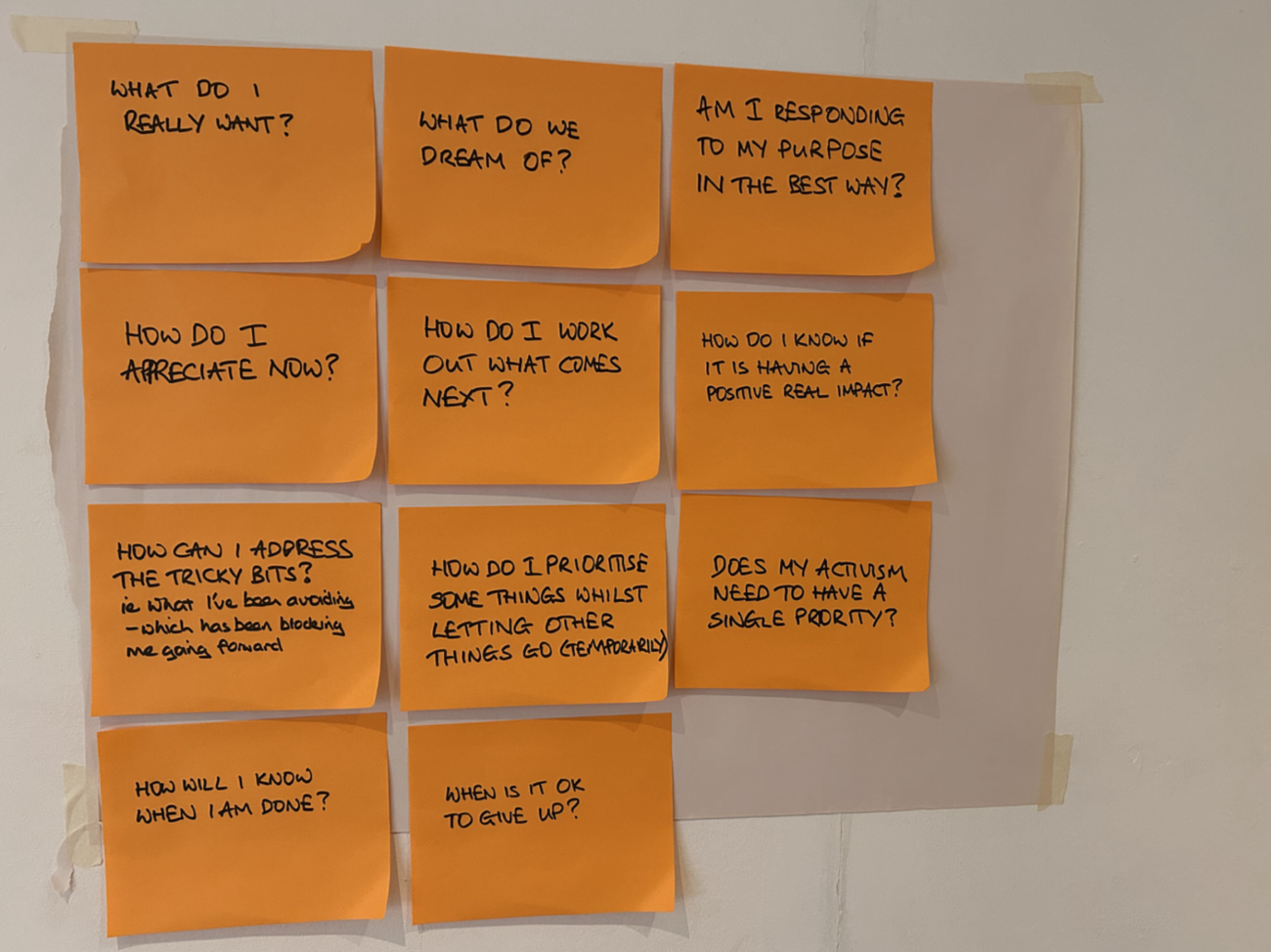
When the UNION 26 cohort first came together in Leeds in June, we generated 87 questions about art, activism, community, change and the challenges of trying to make a difference. By the time we met again in September, we had a starting point for our second residential: eleven questions drawn from that much bigger collection.
This time, we were in Kendal. Our theme was
“How do we know what to do, how to prioritise, what works, and when is it finished?”
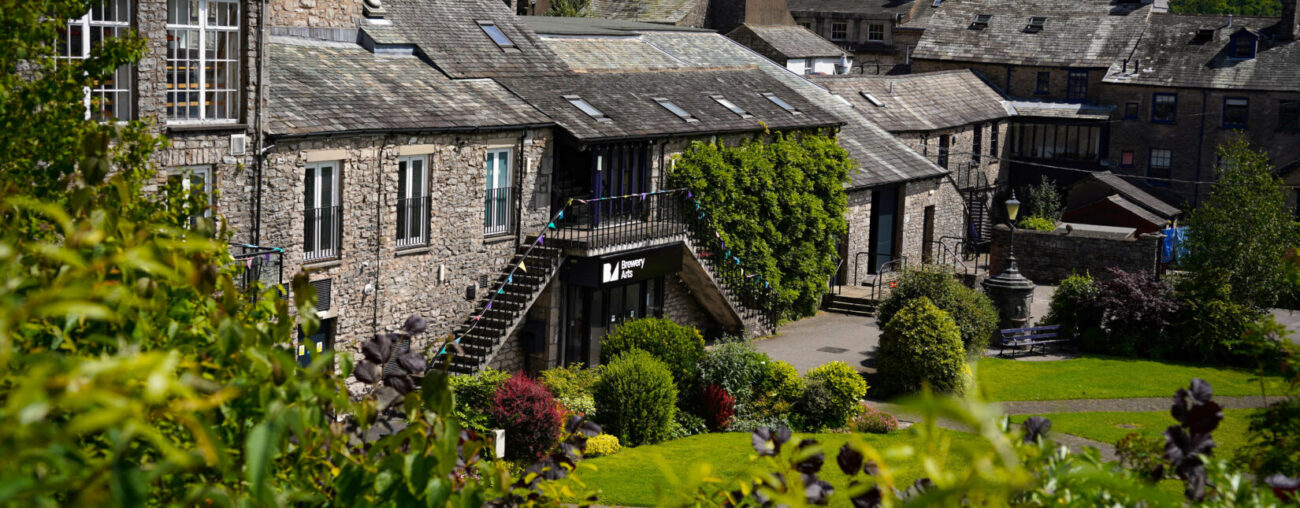
We began at Brewery Arts, gathering back together after the summer and making space to reconnect.
Our first residential had established some of the foundations for working together. Now we had a chance to pick up those conversations, notice what had stayed with us and begin exploring the new theme. A creative introduction brought quick-fire poems, connection and our reflective journals into the mix, a reminder that we don’t all have to approach a question in the same way to have something to contribute.
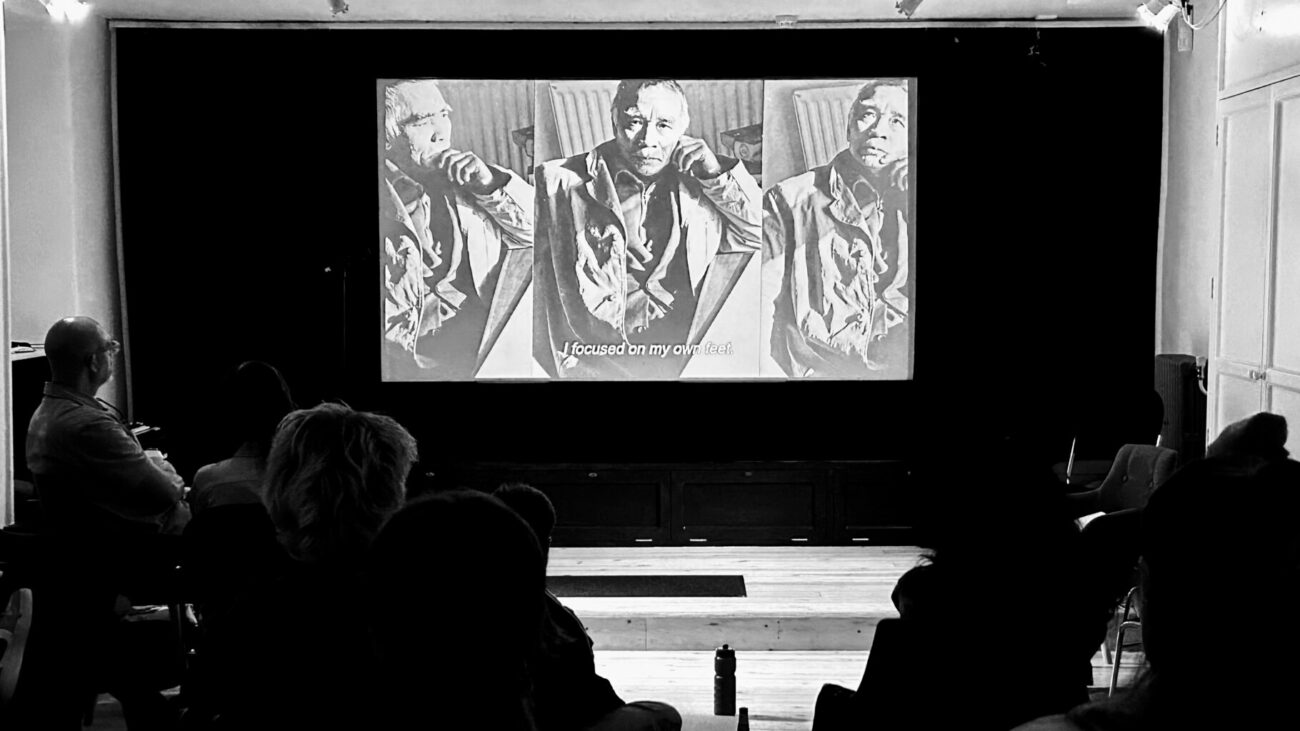


In the evening, we watched All and Nothing, a documentary about Li Yuan-chia, the Chinese artist who made his home in Cumbria and ran an art space near Brampton for many years. We’d learned of Li from one of our participants, Dani, as part of the weekends co-creation process in which we collaborate with participants from or based in our residential destination to bring the weekend together.
Li’s life and practice offered a way into some of the questions we were carrying. What does it mean to make a life around art? How do artists create the conditions for other people to encounter ideas, work together and see things differently? What can a creative space make possible, and how might its value extend beyond the work displayed within it?
It was an evocative way to begin a weekend about purpose and impact. The questions weren’t only about how we measure our own work, but about the lives, relationships and possibilities that creative practice can open up over time.
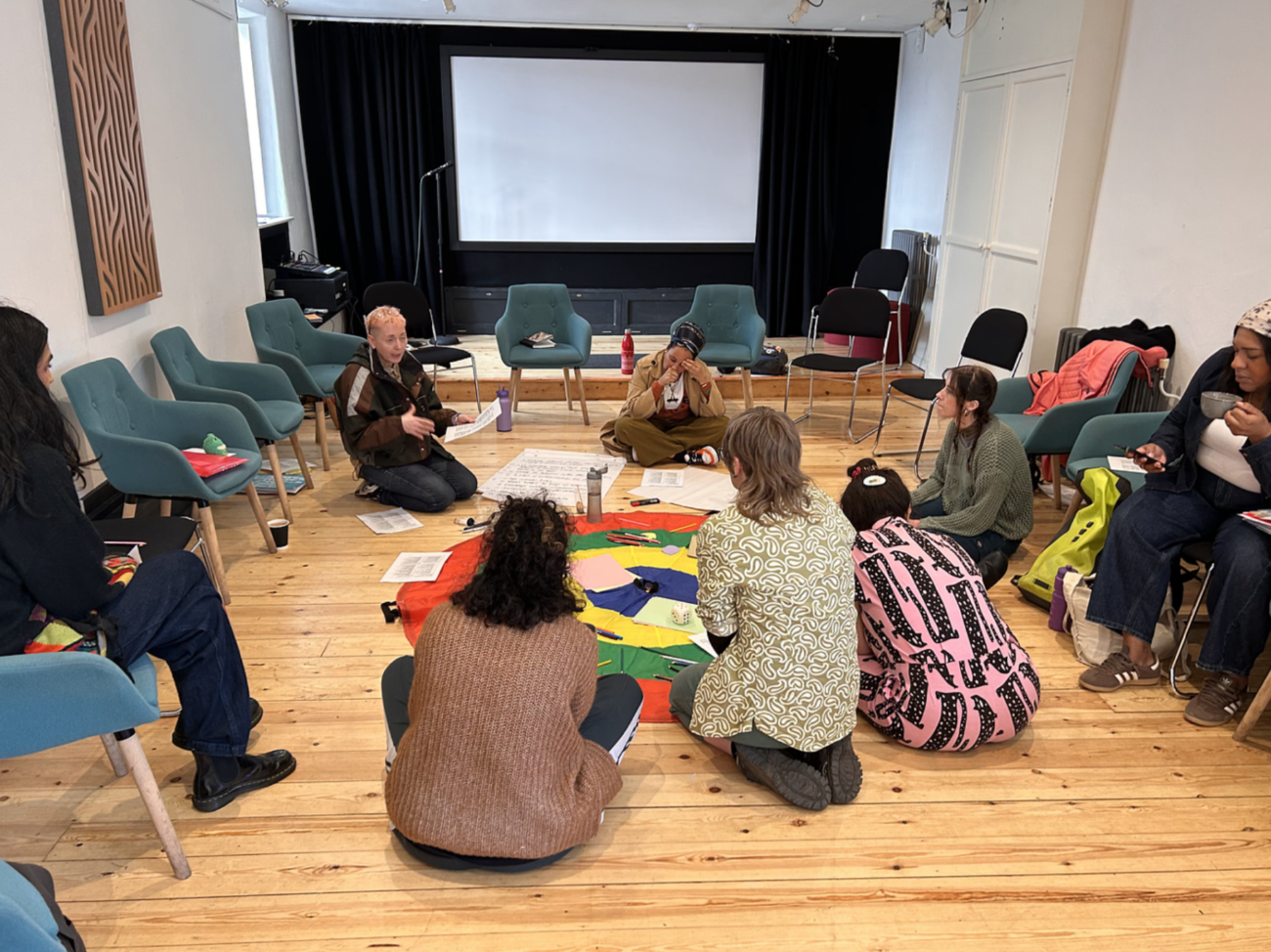
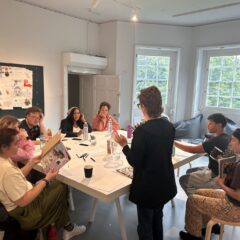
Saturday was our main day for exploring the theme together. We started with a check-in and returned to our Group Alliance, the shared understanding of how we want to work together, particularly when conversations become challenging. This was an important development from Leeds. A community of practice isn’t something we create once and then leave alone; it needs attention, care and the willingness to keep adjusting how we work.
Our revised Group Alliance put some of that commitment into words. We agreed to aim for safe enough, recognising that no space is completely safe, while valuing everyone’s experience, making room for different perspectives and being brave enough to have difficult conversations.
We also made commitments around consent, confidentiality, active listening and care. We wanted to learn rather than find fault, to stay curious when things get difficult, and to recognise that disagreement doesn’t always have to end in agreement or a neat conclusion. We wanted to make a non-competitive space built on cooperation and collaboration, where people could take risks, try things out and learn from failure.
These aren’t just nice intentions. They are practical conditions for doing creative and activist work together, especially when we bring different experiences, beliefs and relationships to power into the same room.
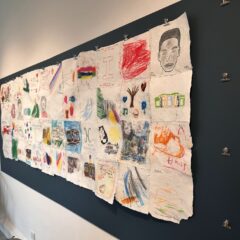
In the afternoon, we split into two creative workshops exploring the ideas of Home and Away.
At Abbot Hall Art Gallery, U26 participant Astrid led a workshop linked to the Paper Quilt Project.
We were also fortunate that we got the chance to have an impromptu conversation with artists Lela Harris and Joshua Donkor, about their exhibition Familial Traces. Their work offered another point of connection to the weekend’s interest in identity, relationships, and the stories that shape how we understand ourselves and the world.
Back at Brewery Arts, the other group explored leaving ‘home’ our familiar or safe spaces, through a theatre-based workshop. What does it mean to leave the places where we feel comfortable? Where might we be heading, and why?

The groups then swapped, allowing everyone to experience both approaches. The two workshops offered different ways to approach questions of belonging, comfort, movement and change. In art and activism, we often talk about stepping outside our comfort zones, challenging assumptions or doing things differently. But what does that mean in practice? What do we need to feel able to take a risk? And how do we recognise when staying, rather than moving on, is the right thing to do?
We finished the day back together at Brewery Arts before heading out for dinner and some informal time as a cohort. As in Leeds, those spaces between the planned sessions matter too. Relationships grow through conversations, shared meals and the chance to spend time together without needing to reach a particular outcome.
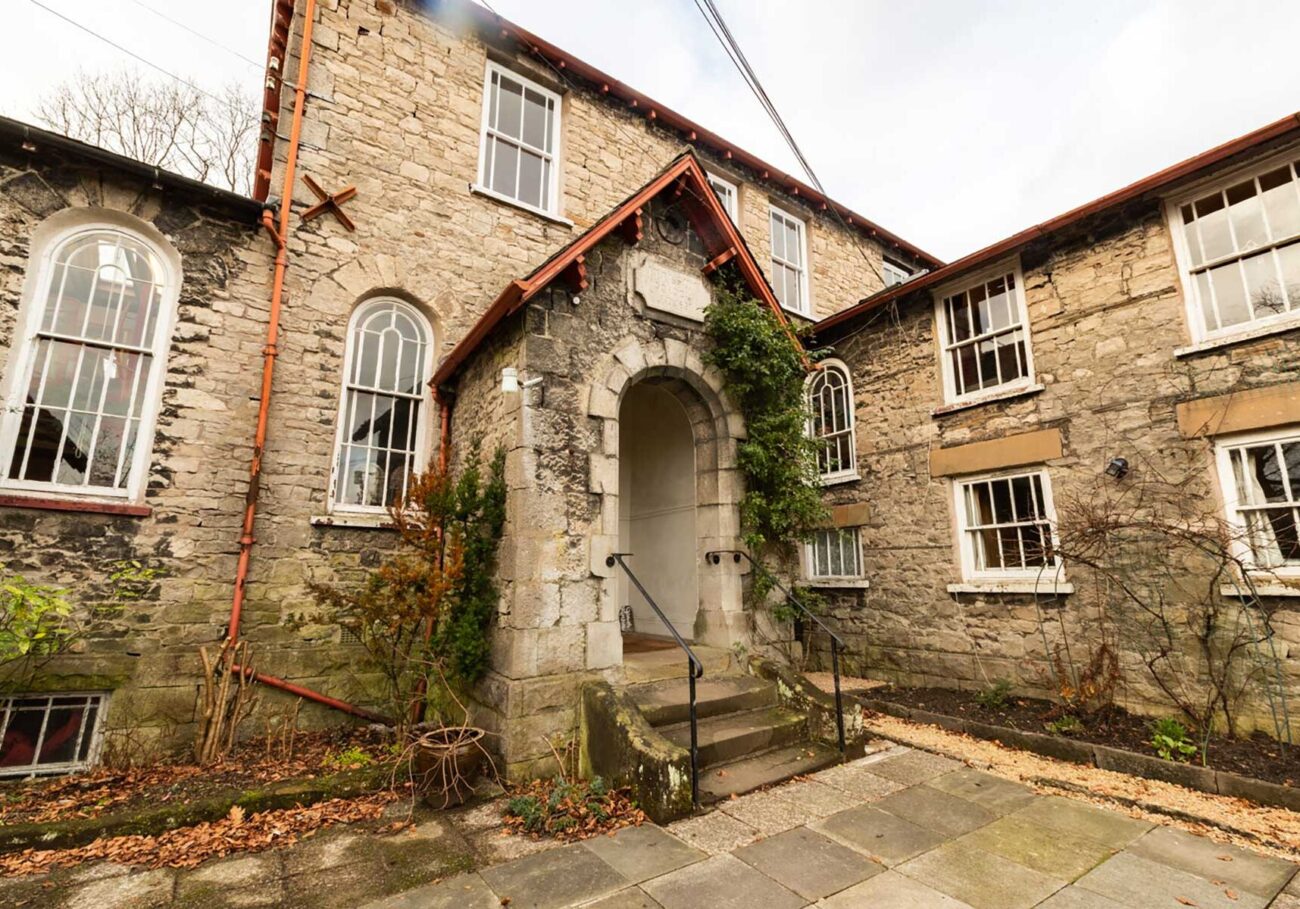
On Sunday, we met at the Fellside Centre, where moved from exploring the theme together to thinking about what it might mean for each of us facilitated by Anis and Saz.
What is important to us? What difference do we want to make? What do we want to change, and where might be a good place to start?
The Three Circles of Purpose, offered a creative mapping tool for us to explore these questions. Rather than assuming that purpose is a fixed destination, we had space to consider how it connects with the work we do, the things we care about and the direction we want to take.
We then explored coaching using the GROW model: Goals, Reality, Options and Will. The model offers a practical way to move from aspiration to action—clarifying what we want, looking honestly at where we are now, considering the options available, and identifying a first step.

We tried this through paired coaching and Walk and Talk conversations, with an emphasis on active listening. The idea wasn’t to give each other all the answers or become experts in each other’s lives. It was to make space for someone to think out loud, explore their own direction and hear their ideas reflected to them.
From there, we widened the lens again.
This question brought our individual reflections back into contact with the wider conditions in which we work. Our hopes and priorities don’t exist in isolation.
They are shaped by our communities, the systems around us, the resources available to us and the scale of the challenges we are trying to address.
We can care deeply about many things at once. We can see urgent needs everywhere. But our time, energy and capacity are finite. How do we choose where to focus without losing sight of everything else that matters? How do we decide what can wait? How do we recognise when a piece of work is having an impact, even if that impact isn’t easy to measure? And perhaps one of the hardest questions, when is it right to stop, change direction or let something go?

By the end of the weekend, we had returned to the questions that had brought us to Kendal:
- What do I really want, and what do we dream of?
- Am I responding to my purpose in the best way?
- How do I work out what comes next?
- How can I prioritise some things while letting others go, at least temporarily?
- How do I address the difficult things I’ve been avoiding?
- How do I know if my work is having a positive, real impact?
- How will I know when I’m done?
- When is it okay to give up?
These questions aren’t just about productivity or getting better at managing our time. They’re about how we want to live and work, what we want to contribute, and how we sustain ourselves while trying to make change.
They also connect back to the Group Alliance we have been building. If we’re going to do this work together, we need to be able to talk honestly about uncertainty, limits, failure and change of direction, without treating them as personal shortcomings.
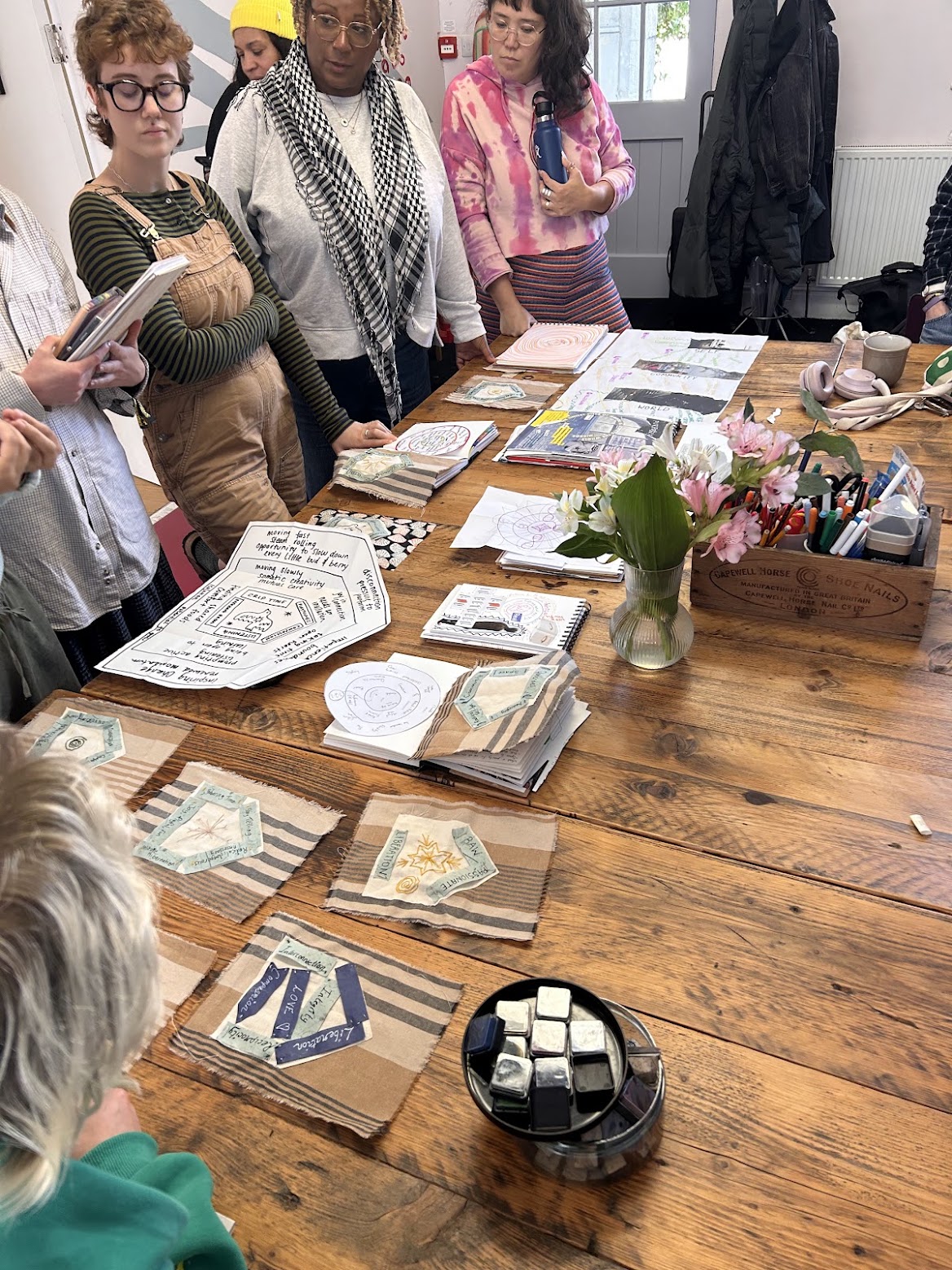
We left Kendal with more to think about, but also with some practical approaches to take away, creative reflection, purpose mapping, coaching and active listening. These can help us move from a big question towards a next step, without pretending that every situation has a straightforward solution.
Our next residential is in November, when UNION 26 gathers again in Newcastle.
We’ll take the questions, tools and relationships from Leeds and Kendal with us and see what emerges when we meet again.
